
Blog

- Home
- Blog
- Themed Sharing
- From Hydration to Skin Nourishment: What Has Modern Moisturizing Technology Truly Changed?
From Hydration to Skin Nourishment: What Has Modern Moisturizing Technology Truly Changed?
May 19,2026
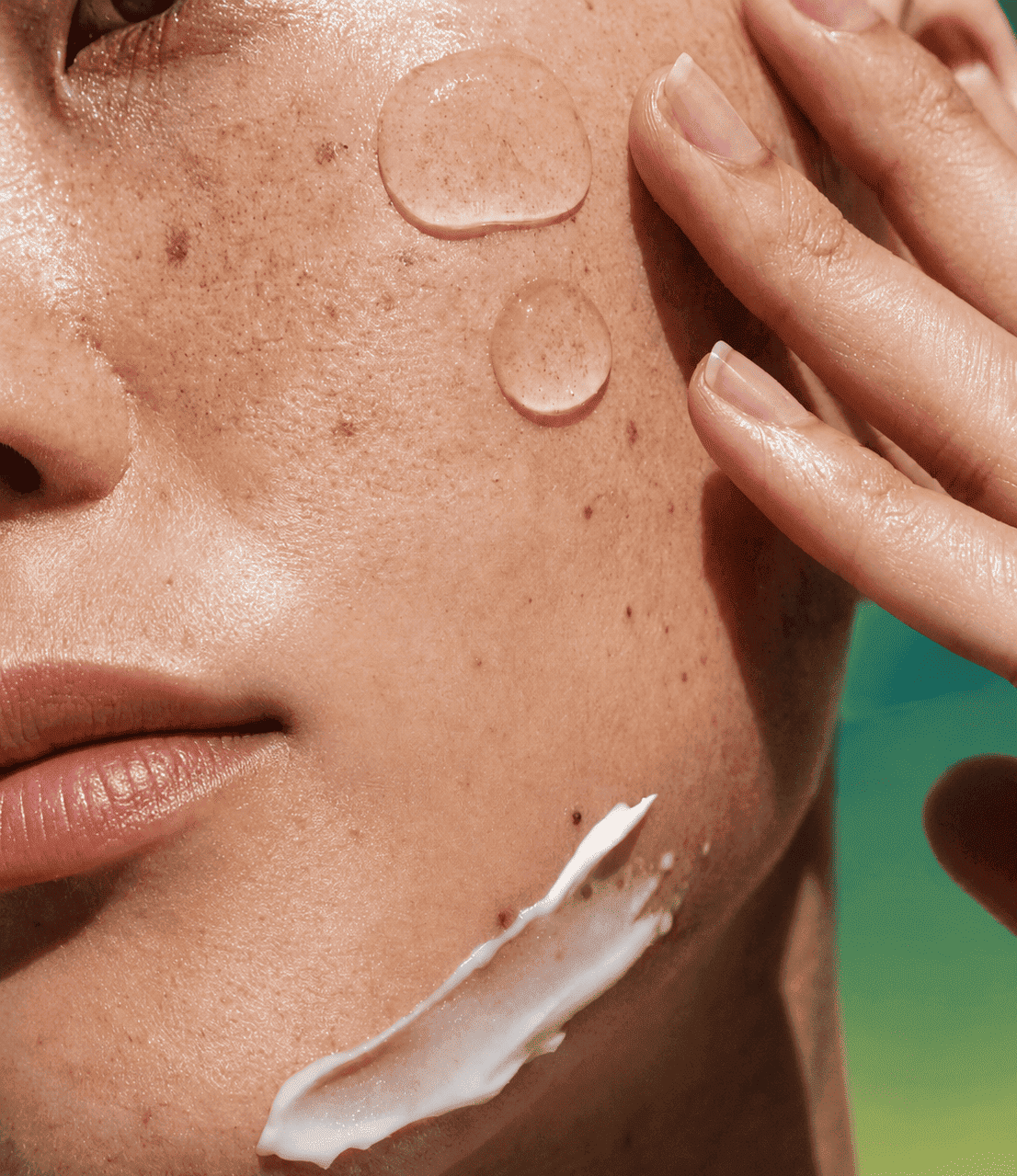
Step up to any skincare counter, and you'll find almost every brand talking about "moisturizing." Hyaluronic acid, ceramides, barrier repair, glass skin... From luxury brands to medical-grade skincare, "hydration" remains one of the most core and competitive efficacies in the beauty market.
But have you noticed something? Many products today feel highly moisturizing upon application, yet a few hours later, the skin feels dry again. Some people even find that the more they moisturize, the more prone their skin becomes to sensitivity, redness, and being oily on the outside but dry on the inside.
Is truly effective moisturizing just about "pumping water in"? Or should it be about enabling the skin to "retain water" on its own? Consequently, the concept of moisturizing has begun to shift from superficial "instant hydration" to deeper, "fundamental moisture retention." And there is actually a deep science behind this.
The Skin Isn't Actually Lacking Water; Its "Water Retention System" Is Imbalanced
Many people interpret dryness simply as "not having enough water." In reality, healthy skin functions more like a precisely calibrated "dynamic moisture system." From the basal layers to the surface, each layer performs distinct moisturizing tasks.
.png)
Only when this entire system operates properly can the skin truly maintain stability, softness, and radiance. Once any part of this loop becomes imbalanced—due to over-cleansing, seasonal changes, late nights, prolonged exposure to air conditioning, post-aesthetic treatments, or high-stress lifestyles—the skin begins to exhibit:
-
Oily surface with deep dryness
-
Roughness and flaking
-
Poor makeup adherence
-
Sensitivity and redness
-
Recurrent dryness and itching
This is why an increasing number of high-end brands are moving beyond "simple hydration" towards "Barrier Care."
Layer 1: Rapidly Replenishing Water First
When skin is dry, the most direct approach is, of course, to hydrate it first. Therefore, ingredients like hyaluronic acid, glycerin, and hydrating polymers remain indispensable foundations in modern moisturizing formulations. For instance, the Lubrajel™ series is a classic hydration technology frequently used by many international brands. These types of ingredients can rapidly increase the water content in the stratum corneum, allowing the skin to quickly regain its softness, smoothness, and dewy feel, while also elevating the premium sensory profile of serums and toners.
However, current skincare trends no longer stop at "surface hydration." Brands have gradually realized that: What truly determines the longevity of moisture is the skin's ability to retain water on its own.
Layer 2: Repairing the Skin's "Moisture-Locking Wall"
You can imagine healthy skin as an intact brick wall. The corneocytes are the bricks, while lipids such as ceramides, cholesterol, and fatty acids act as the mortar filling the gaps. When this lipid matrix is perfectly aligned, moisture cannot easily escape. But once the barrier is compromised, no matter how many hydrating ingredients you apply, the water will quickly evaporate.
This is why recent moisturizing products have begun to heavily incorporate:
-
Ceramides
-
Biomimetic lipids
-
Barrier repair technologies
-
Lamellar structure repair concepts
For example, Prolipid® 141 and Vegetal Ceramides BG assist the skin in rebuilding an intact barrier matrix by mimicking the human body's natural lipid structure. Modern moisturizing is no longer just about "giving the skin water," but repairing "the skin's capacity to hold water."
Layer 3: Activating the Skin's Own "Water Circulation System"
In recent years, a crucial new concept has emerged in advanced moisturizing: Aquaporin-3 (AQP3). It acts like "water pipelines" within the skin, responsible for facilitating the transport of water and glycerol between cells.
.png)
Past skincare concepts focused on hydrating from the outside; current technologies aim to empower the skin to "circulate water" internally. Aqua-Osmoline™, for example, is one of the active hydration ingredients highly regarded by many international brands today. Rather than just simple hydration, it synergistically helps the skin establish a more complete moisture cycle by targeting multiple pathways, including AQP3, hydration processes, filaggrin, and tight junction proteins (Claudin-1).
This is exactly why moisturizing technology has transitioned from simple "Hydration" to "Water Homeostasis" in recent years.
Layer 4: From "Hydration" to "Skin Nourishment"
Today, international brands no longer view moisturizing as a standalone function. Research increasingly reveals that when the skin suffers from chronic dryness, it impacts more than just moisture levels; it also affects:
-
Barrier stability
-
Microbiome balance
-
Cellular renewal
-
Radiance and luminosity
-
Sensitivity reactions
-
Even premature aging
Consequently, modern moisturizing products largely focus on:
-
Microbiome care
-
Anti-pollution
-
Soothing and repair
-
Sensitive skin management
Preventative anti-aging
.png)
Taking Ashland's product launches as examples:
- Aqua-Osmoline™ targets aquaporins, designed to enhance skin radiance and hydration.
- Phytocaspaline 14™ focuses on the generation of Natural Moisturizing Factors (NMF).
- Stratixyl™ works on the strength of the cornified envelope, boosting the skin's natural defense capabilities.
Moisturizing is no longer simply about "keeping the skin from feeling dry." It is about helping the skin rebuild a healthy, stable, and long-lasting barrier environment.